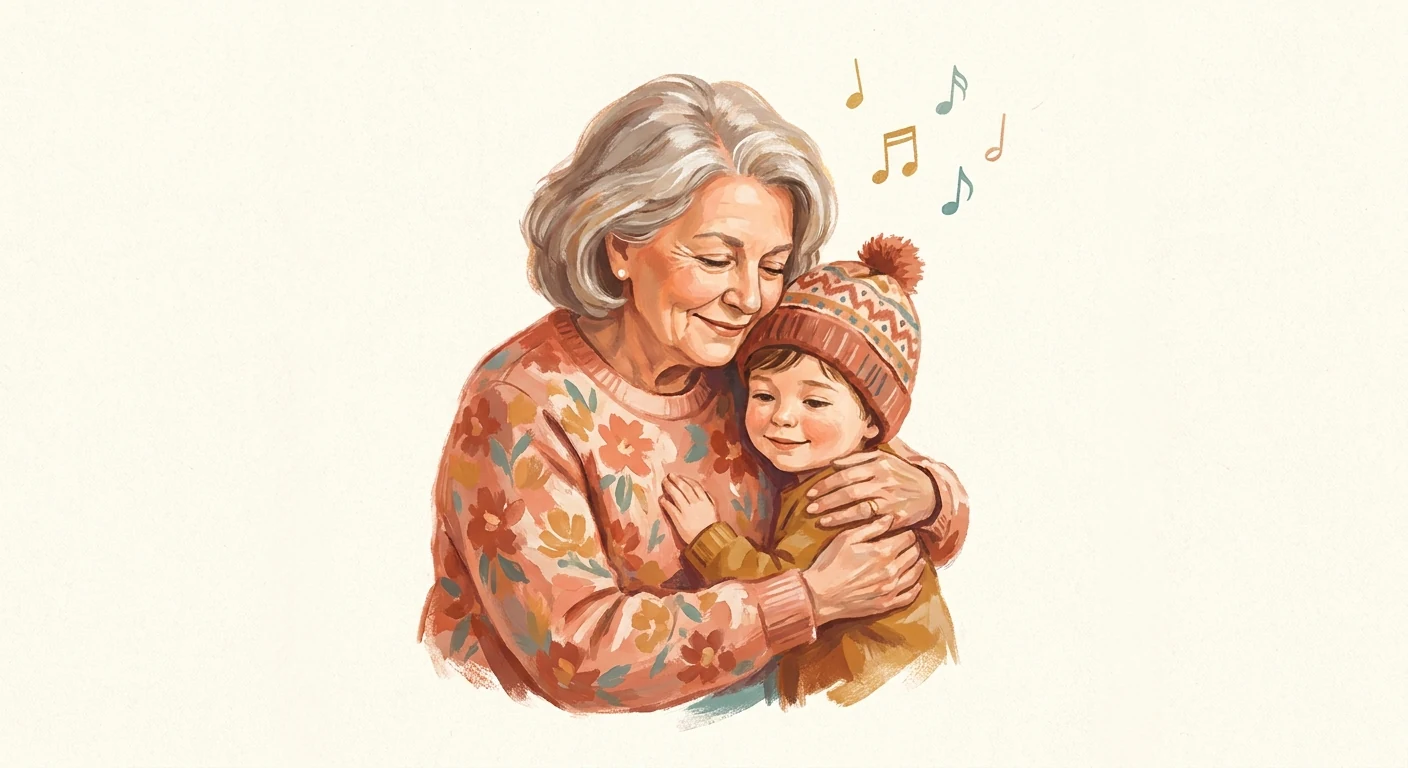
A custom song gift creates a listening experience that is built around one person instead of a general audience. Streaming services offer access to more than 100 million songs, yet none of them include a listener's own memories, names, or milestones. A personalized song combines real stories, preferred music styles, and meaningful lyrics into one original recording. Research published over the past decade has also shown that familiar music supports autobiographical memory and emotional recall, making personalized songs more memorable than standard gifts because each playback reconnects the listener with real events rather than fictional stories.
People listen to music for thousands of hours throughout their lives, but very little of that music is actually about them. A custom song gift changes that experience by replacing generic lyrics with personal details collected from the gift giver. Instead of hearing a songwriter describe someone else's life, the listener hears names, places, dates, and memories that already exist in their own story. According to the International Federation of the Phonographic Industry (IFPI), global music engagement exceeded 20 hours per week on average in 2024, giving personalized music many opportunities to become part of everyday routines.
That personal connection begins with the writing process rather than the recording. Professional songwriters usually ask for details such as birthdays, anniversaries, favorite activities, shared vacations, family traditions, or personal goals before writing a single lyric.
| Information Provided | How It Appears in the Song |
|---|---|
| First meeting | Opening verse |
| Anniversary | Chorus |
| Family members | Supporting lyrics |
| Favorite music genre | Arrangement |
| Personal message | Ending section |
When these details are combined, every verse becomes recognizable without needing extra explanation.
A listener does not need to imagine the story because the story already belongs to them.
Music also helps people remember information over long periods. Studies in cognitive neuroscience published between 2018 and 2024 found that familiar songs activate brain regions linked to autobiographical memory more strongly than spoken words alone. For many listeners, hearing the same melody months later brings back conversations, locations, and emotions with little effort. That is one reason personalized songs are often replayed long after birthdays, weddings, or graduations have ended.
The lyrics are only one part of the experience, which naturally leads to musical style. Even if two people receive songs based on similar occasions, the final recordings may sound completely different because musical preferences vary widely.
-
Acoustic guitar for relaxed listening
-
Piano arrangements for formal occasions
-
Country production for outdoor memories
-
Indie pop for younger audiences
-
Jazz-inspired instrumentals for quieter stories
A survey by IFPI reported that listeners around the world regularly explore more than 8 different music genres, making style selection as important as lyric writing.
Personalization continues during production. Tempo, vocal tone, harmony, and instrumentation can all be adjusted to match the recipient's taste. Some songs remain under 3 minutes, while others extend beyond 5 minutes to include additional verses describing family history or shared milestones. Rather than using a fixed template, producers build the arrangement around the information collected before recording begins.
Small production choices often make familiar stories feel natural instead of scripted.
Because every recording is original, recipients often pay closer attention than they would during casual music streaming. Instead of allowing the song to play in the background, they listen for each reference and recognize the order in which memories appear. That difference changes how people interact with the music from the first playback. Digital music platforms report that many listeners decide whether to continue playing a new song within the first 30 seconds, yet personalized songs usually encourage complete listening because every section contains recognizable details.
The song also becomes easier to revisit over time. A framed photograph shows one moment, while a personalized recording can accompany anniversaries, family gatherings, road trips, or holiday celebrations for many years. Digital audio files can be stored on phones, cloud services, and streaming libraries without losing quality, allowing the recording to remain available across different devices. Since 2020, cloud-based music storage and streaming have made long-term access much simpler than relying on physical media.
Another advantage is flexibility. A personalized song can celebrate a wedding, welcome a newborn, recognize retirement, support someone during recovery, or mark a friendship that has lasted for decades. The structure changes with the occasion rather than following one format. Some creators also provide lyric sheets or instrumental versions alongside the finished recording, giving families additional ways to enjoy the music in future celebrations.
Many people discover personalized music through online creators and independent music studios. Services such as custom song gift platforms allow users to submit personal stories, preferred genres, and special requests through simple online forms before production begins. That process combines personal storytelling with professional songwriting and modern recording techniques, producing music that remains closely connected to the listener long after the original occasion has passed.